As we progress through 2026, the conversation around “smart buildings” has fundamentally changed. We have moved past the era of simple dashboards and experimental pilots. Today, Artificial Intelligence is no longer just a “nice-to-have” add-on; it has become the foundational operating layer for modern commercial real estate.
From “Agentic AI” that makes its own decisions to buildings that talk back to the electrical grid, here are the dominant trends reshaping building management in 2026.
The Rise of Agentic AI: From “Alerts” to “Actions”
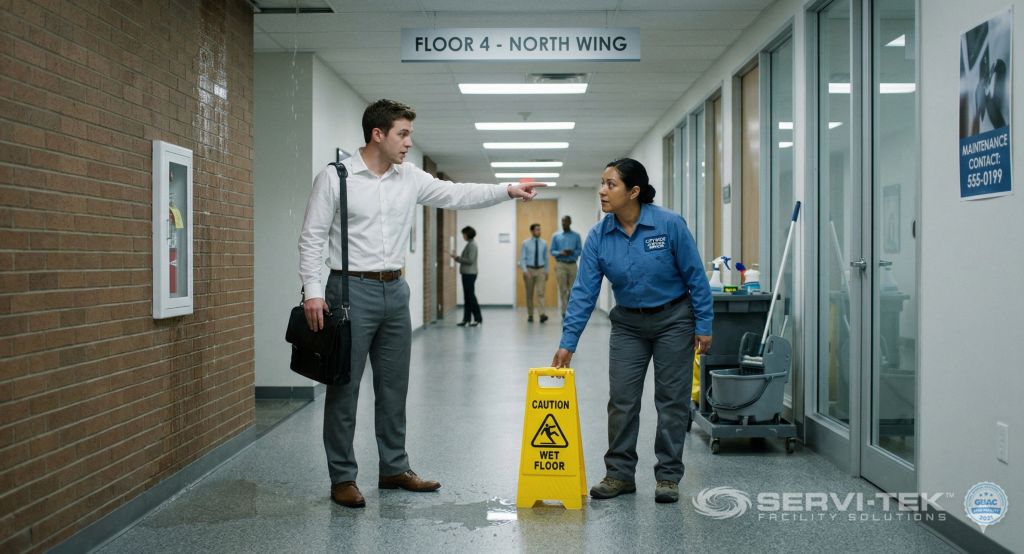
The most significant shift this year is the transition from reactive automation to Agentic AI. For years, building systems provided “alerts”… a sensor would flag a leak, and a human would have to decide what to do. In 2026, we are seeing the breakout year for autonomous agents.
These systems don’t just notify a manager; they independently identify the problem, shut off the necessary valves to prevent damage, and automatically dispatch a work order to a preferred vendor. This “bounded autonomy” allows facility managers to shift from manual firefighting to high-level strategic oversight, focusing only on the most critical or high-cost decisions.
Unified Data Ecosystems: The “Single Pane of Glass”
The days of juggling five different apps for HVAC, lighting, security, and elevators are ending. 2026 is the year of the Unified Data Ecosystem.
Leading portfolios are now consolidating fragmented platforms into a single, AI-native “data lake.” This provides a 360-degree view of operations, allowing the building’s “brain” to understand how one system affects another. For example, the AI can now recognize that a spike in elevator usage on the 10th floor means the HVAC needs to pre-cool the conference rooms in that sector—all without human programming.
Precision Performance: Predictive Maintenance Goes Standard
In 2026, “run-it-till-it-breaks” is a relic of the past. Predictive maintenance has reached a tipping point, moving from a future-facing ambition to a standard operating procedure.
Vibration and Acoustic Sensing: Advanced AI now analyzes high-frequency sound and vibration patterns in chillers and elevators to predict failures 6 to 12 months in advance.
Usage-Based Servicing: Instead of servicing equipment every six months by the calendar, buildings now use “condition-based” maintenance. This targeted approach is extending the life of key mechanical assets by up to 40% while slashing emergency repair budgets.
Grid-Interactive Efficient Buildings (GEB)
Sustainability in 2026 has evolved beyond simple energy reduction. We are seeing the mainstream adoption of Grid-Interactive Efficient Buildings (GEBs).
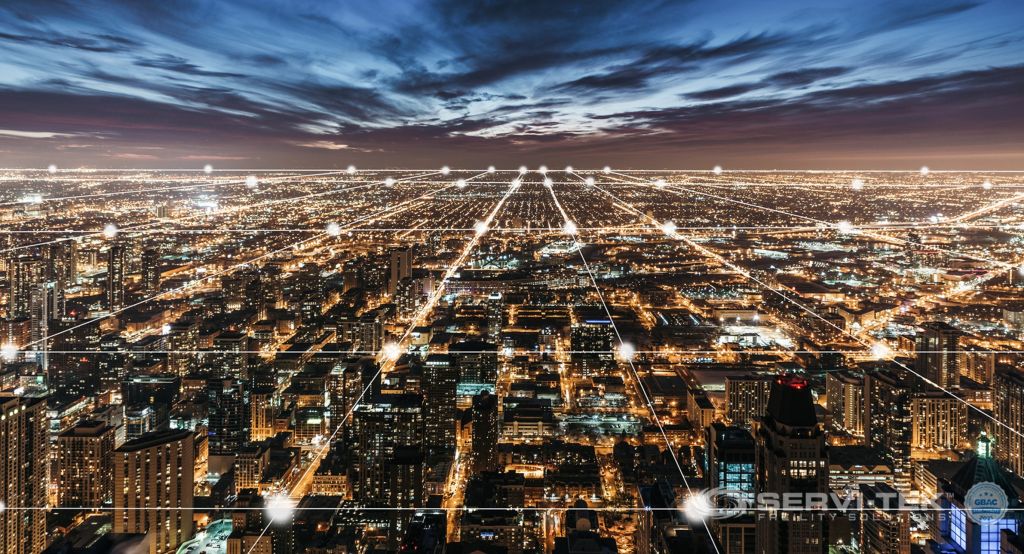
These buildings are active participants in the energy ecosystem. Using AI, they monitor real-time utility pricing and the carbon intensity of the grid. If energy prices spike or the grid’s carbon load is too high, the building’s AI automatically “shifts” heavy loads—like EV charging stations or laundry facilities—to off-peak hours. This isn’t just eco-friendly; it’s a massive cost-saving measure in volatile energy markets.
Tenant Experience 2.0: The Responsive Workplace
Finally, AI is redefining the tenant experience by making the building feel “alive” and responsive.
Touchless Orchestration: AI-powered access control now recognizes employees via secure biometrics, calls their preferred elevator floor, and adjusts the temperature in their specific “micro-zone” before they even sit down.
Natural Language Interfaces: You no longer need to be a technical expert to manage a building. Managers can now “talk” to their properties using natural language: “Building, show me where we wasted the most energy last night”—and receive a visualized report in seconds.
The Bottom Line
In 2026, the winners in real estate are those who treat their buildings as intelligent, evolving assets. AI has moved from a buzzword to a business-critical infrastructure that reduces costs, meets strict ESG mandates, and provides an unparalleled experience for the people inside.