Capital improvements are no longer optional for commercial buildings.
Aging infrastructure, rising energy costs, and higher tenant expectations continue to push owners and operators to invest in building upgrades. Yet one challenge remains constant: how to fund these improvements without interrupting daily operations or negatively impacting occupants.
The most successful capital projects are not just well-designed… they are well-funded and carefully planned. When capital strategy and operational planning align, upgrades can strengthen asset performance while maintaining continuity across the building.
The Capital Improvement Dilemma
Every building eventually reaches a point where systems must be upgraded, replaced, or modernized. HVAC systems lose efficiency, lighting becomes outdated, and building controls fail to meet current performance standards. Delaying these investments may protect short-term cash flow, but it often increases long-term risk.
At the same time, poorly timed or underfunded improvements can disrupt tenants, reduce productivity, and create operational strain. The challenge is not whether to invest… but how to do so strategically without affecting the day-to-day function of the property.
Why Capital Improvements Matter More Than Ever
Many commercial assets are operating with deferred maintenance accumulated over years of uncertainty. Mechanical systems installed decades ago are being asked to meet modern performance expectations, often with limited flexibility.
Capital improvements play a direct role in:
- Preserving asset value in a more selective investment market
- Reducing operating expenses through efficiency gains
- Meeting sustainability benchmarks and regulatory requirements
- Supporting tenant satisfaction, retention, and leasing efforts
Buildings that fail to modernize often face higher repair costs, increased downtime, and declining competitiveness.
Common Funding Challenges Owners and Operators Face
Despite the clear need, funding capital improvements remains complex. Owners and operators frequently encounter:
- Limited capital reserves due to competing priorities
- Cash flow concerns during large-scale projects
- Difficulty aligning funding timelines with operational constraints
- Pressure to demonstrate near-term ROI
Without a clear capital strategy, projects can stall, expand beyond budget, or disrupt operations more than anticipated.

Strategic Funding Options That Minimize Disruption
To execute major facility upgrades without crippling daily cash flow or operational momentum, forward-thinking organizations treat funding as an integrated strategy rather than a single lump-sum hurdle. The most resilient approach blends phased capital deployment, aligning heavy work with seasonal lulls or low-occupancy windows, with actively managed reserve funds targeted strictly at high-ROI assets.
By layering on tailored equipment financing or flexible lending structures that match the payback lifecycle of the upgrades, companies safeguard essential working capital for daily operational needs. When paired with a proactive push to capture local utility rebates, energy grants, and tax incentives, this multi-tiered capital strategy dramatically shortens payback periods, turning potential operational disruptions into a controlled, self-sustaining engine for growth.
Operational Planning to Reduce Business Interruption
Funding alone does not prevent disruption… execution does. Operational planning should be integrated early in the capital improvement process.
Best practices include:
- Scheduling work during off-hours or low-occupancy periods
- Sequencing projects to avoid system-wide downtime
- Coordinating closely with tenants and on-site teams
- Communicating timelines and expectations clearly
When occupants understand what to expect, disruptions are easier to manage and trust is preserved.
Aligning Capital Investments With Operational Efficiency
Not all upgrades deliver equal value. Prioritizing improvements that reduce operating costs helps capital investments pay for themselves over time.
Energy-efficient HVAC systems, lighting retrofits, and building automation upgrades often provide:
- Lower utility costs
- Reduced maintenance demands
- Improved system reliability
Energy audits and performance assessments can help identify projects that deliver the highest operational return.
Risk Management and Contingency Planning
Even the best-planned projects carry risk. Unexpected conditions, supply delays, and scope changes can impact both budget and operations.
Building contingency budgets, conducting pre-project assessments, and partnering with experienced service providers help reduce surprises. Risk management is not about avoiding issues… it is about being prepared to address them without disrupting building performance.
Measuring Success After the Upgrade
Once improvements are complete, performance tracking is essential. Measuring outcomes allows owners and operators to validate investment decisions and refine future capital plans.
Key indicators include:
- Energy and operating cost savings
- System uptime and maintenance reductions
- Tenant feedback and retention trends
Capital improvements should deliver measurable operational and financial results, not just updated equipment.
Investing Without Interrupting
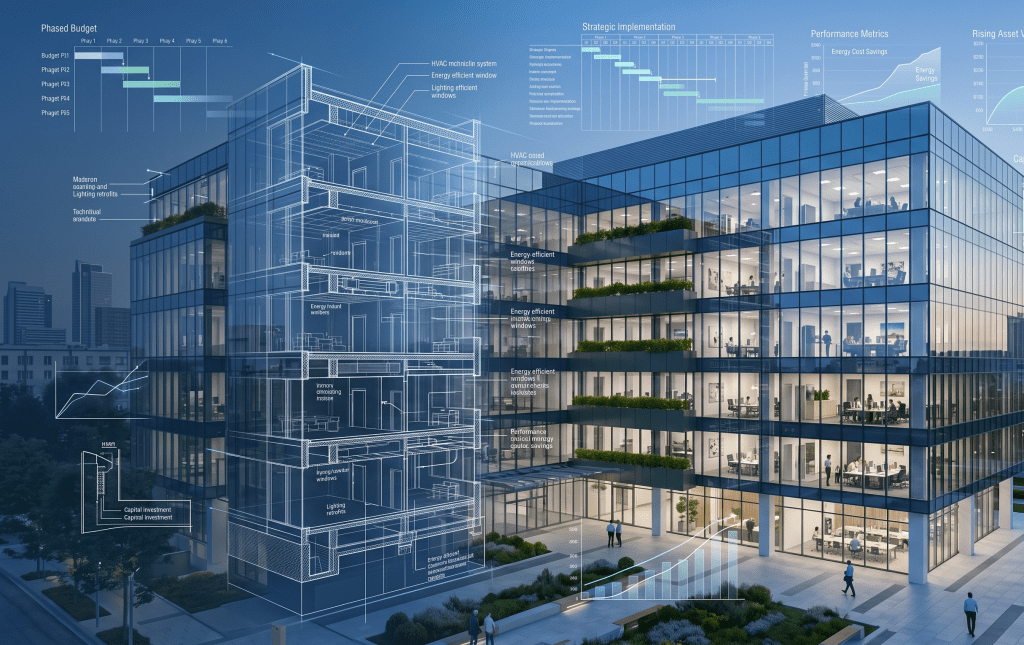
Funding capital improvements does not have to come at the expense of operational stability. With proactive planning, flexible funding strategies, and a focus on efficiency, building owners can modernize assets while maintaining continuity.
In today’s market, the ability to invest without interruption is a competitive advantage. Buildings that balance capital strategy with operational discipline are better positioned for long-term performance, resilience, and value.
Execute Your Capital Strategy
Executing capital improvements without operational friction requires precise coordination and expert oversight. Servi-Tek Facility Solutions partners with facility management teams to implement seamless maintenance and upgrade strategies that protect asset value and ensure continuity.
Contact our team today to align your capital planning with flawless operational execution.