In 2026, the biotech industry officially transitioned from “capital conservation” to “strategic execution.” With a surge of over $4.9 billion in capital raised in the first week of this year alone, the bottleneck for most firms is no longer funding—it is the physical facility.
As AI-driven drug discovery compresses R&D timelines, the question for 2026 is no longer just “Do we have enough space?” but “Is our space intelligent enough to scale?”
The 2026 Growth Landscape: Speed as a Metric
The defining trend of 2026 is the AI-Wet Lab Loop. With companies like NVIDIA and Thermo Fisher launching autonomous lab infrastructures, the barrier between computational data and physical validation has vanished.
Computational Integration: Modern expansion plans must account for high-density GPU clusters sitting directly adjacent to wet labs.
Modality Diversification: As pipelines shift toward ADCs (Antibody-Drug Conjugates) and cell therapies, facilities must be able to pivot between different manufacturing requirements without a six-month teardown.

Infrastructure Scalability: The Rise of the “POD”
When we talk about achieving talent density… that critical mass of high-performing, driven individuals within an organization… it is tempting to focus strictly on aggressive recruitment and top-tier compensation.
However, sustainable talent density is fundamentally rooted in the human element. It requires intentionally designing an ecosystem where exceptional people don’t just land, but actually thrive and want to stay. This means moving beyond superficial office perks to engineer physical and digital environments that deeply respect human psychology and workflow. It is about creating spaces that fiercely protect deep, focused work while simultaneously removing the friction from organic, cross-pollinating collaboration.
Most importantly, designing for the human element means cultivating a culture of psychological safety and autonomy, where brilliant minds feel empowered to take calculated risks and challenge the status quo. Ultimately, when you design your company around fundamental human needs – purpose, mastery, and genuine connection – you don’t just attract top-tier talent; you build a magnetic environment where their impact naturally multiplies.
Digital Readiness: The “Data-First” Facility
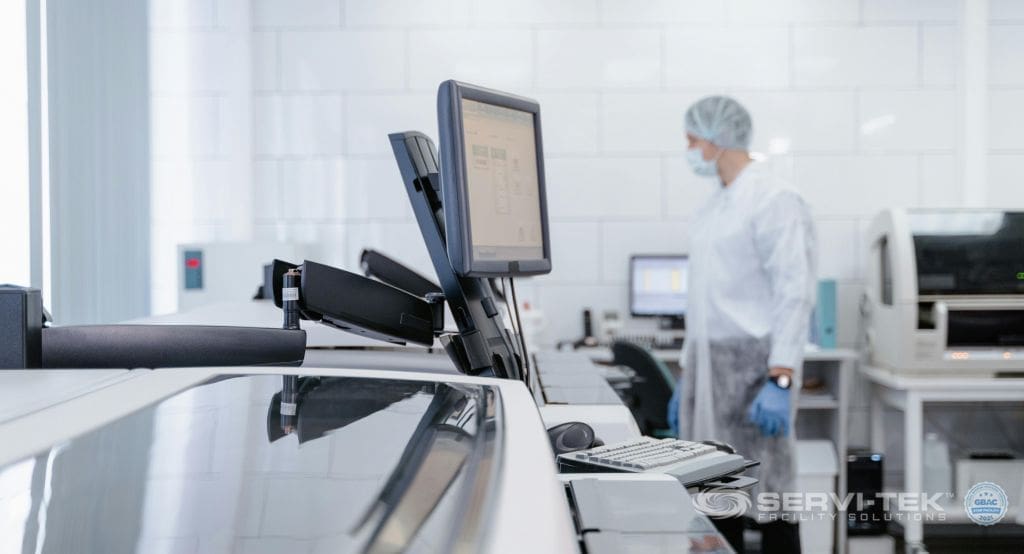
In 2026, your facility is essentially a data factory. A successful expansion requires a robust digital nervous system:
IoT & Asset Protection: Predictive sensors on -80°C freezers and incubators are now mandatory for insurance compliance, preventing “catastrophic loss” of growth-stage materials.
Edge Computing: By processing multi-omic data locally within the facility, firms are reducing the latency that often stalls rapid-cycle R&D.
Regulatory & ESG: Future-Proofing for 2026 Standards
Expansion in 2026 must satisfy two masters: the FDA and ESG-focused investors.
AI Validation: Regulators now require transparency in how AI-driven results are validated within your Quality Management System (QMS).
The “Green Lab” Premium: Achieving My Green Lab® Certification is no longer just for PR; it is a prerequisite for attracting institutional capital and top-tier talent who refuse to work in energy-inefficient, high-waste environments.
The Human Element: Designing for Talent Density
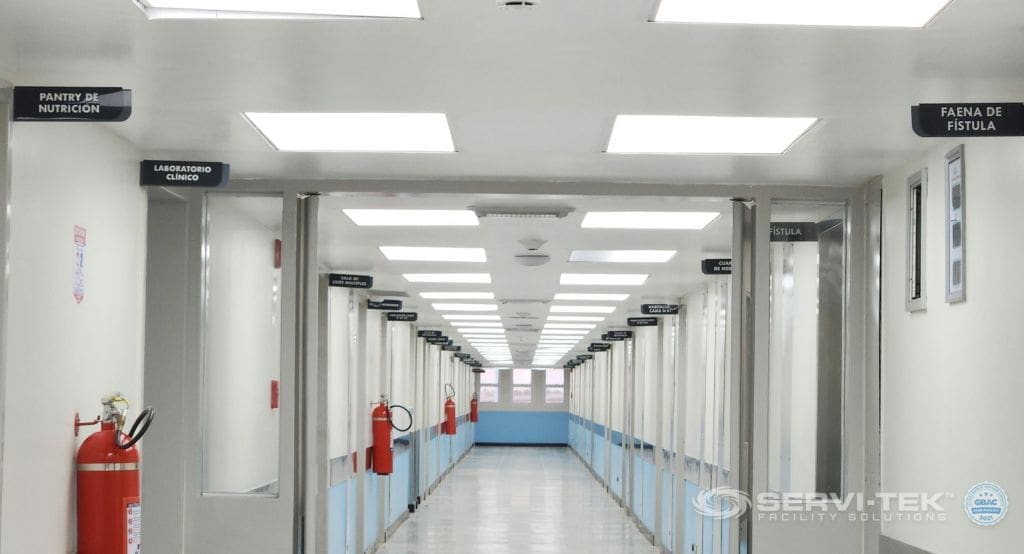
Even in an era of automation, biotech remains a human-centric endeavor. The 2026 expansion model prioritizes Collaboration “Collision” Zones.
Hybrid Workspaces: Designing breakout areas where data scientists and bench researchers can integrate findings in real-time.
Health & Wellness: Advanced HEPA filtration and circadian lighting systems are proven to support the 24/7 research cycles common in high-growth startups.
The Bottom Line
In 2026, a facility that can’t adapt is a liability. Whether you are scaling a clinical-stage startup or expanding a commercial manufacturing site, the winners will be those who prioritize modular flexibility and AI-readiness.