For owners of occupied commercial assets, modernization decisions are rarely driven by aesthetics or market positioning alone.
These buildings support core business operations, house critical teams, and enable daily productivity. When building systems underperform, the impact is felt immediately—through rising costs, operational disruptions, and increased risk.
Modernizing owner-occupied assets is not about reacting to trends or chasing short-term returns. It is about protecting long-term value, improving reliability, and ensuring facilities can support business objectives well into the future. For many owners, the question is no longer whether to modernize, but when—and increasingly, the answer is now.
Why Modernization Timing Matters for Owner-Occupied Assets
Unlike investor-owned properties, owner-occupied buildings are not optimized for near-term resale. Their value is realized through consistent performance, predictable operating costs, and uninterrupted operations. Delaying modernization often leads to:
- Escalating maintenance and repair expenses
- Increased risk of system failure and downtime
- Compressed timelines for emergency capital spending
When critical systems age beyond their intended lifecycle, costs rise non-linearly. Addressing upgrades proactively allows owners to control scope, timing, and budget rather than responding under pressure.
Understanding Owner-Occupied Asset Priorities
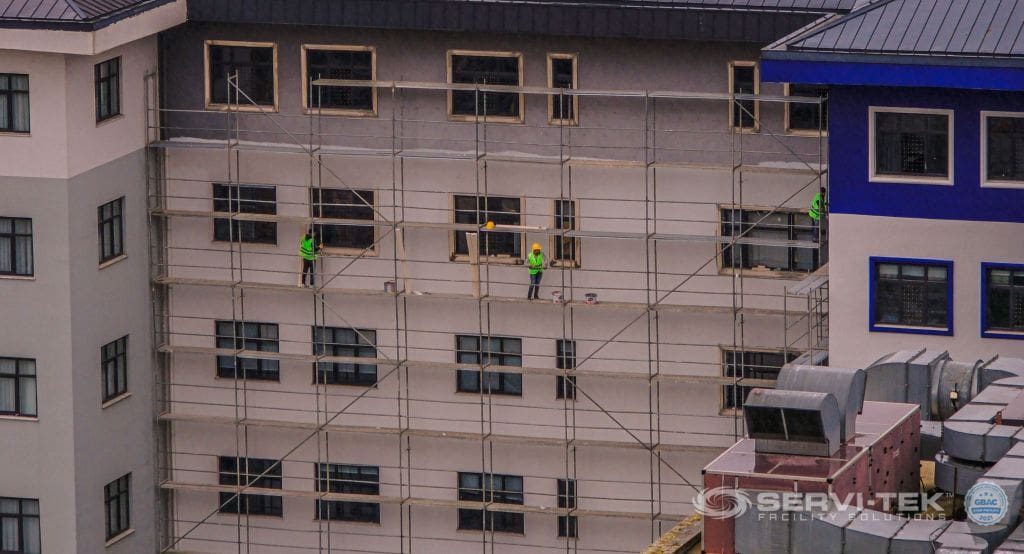
Owner-occupied assets are fundamentally tied to business continuity. Their priorities differ from leased or speculative properties in several ways:
- Emphasis on uptime and operational reliability
- Preference for cost predictability over maximum short-term yield
- Long-term ownership horizons that amplify lifecycle costs
Facility performance directly influences employee productivity, safety, and customer experience. Modernization decisions should be evaluated in this broader operational context, not solely through a narrow financial lens.
What “Modernization” Means in Today’s Commercial Buildings
Modernization extends far beyond cosmetic improvements. For owner-occupied assets, it typically includes:
- HVAC, electrical, and plumbing system upgrades
- Building automation and controls enhancements
- Energy efficiency and utility infrastructure improvements
- Technology integrations that improve visibility and control
These upgrades are designed to align building performance with current operational demands while preparing assets for future requirements.
Key Drivers Making Modernization Urgent Today
Several converging factors are accelerating the need for modernization:
Aging Infrastructure
Many owner-occupied buildings rely on systems installed decades ago. Deferred capital projects increase the likelihood of failures and reduce operational resilience.
Rising Operating Costs
Energy, maintenance, and labor costs continue to rise, making inefficient systems increasingly expensive to operate.
Regulatory and ESG Expectations
Owners face growing pressure to track energy use, emissions, and building performance. Modern systems simplify compliance and reporting.
Workplace Expectations
Comfort, air quality, and reliability play a role in employee retention and productivity, especially in competitive labor markets.
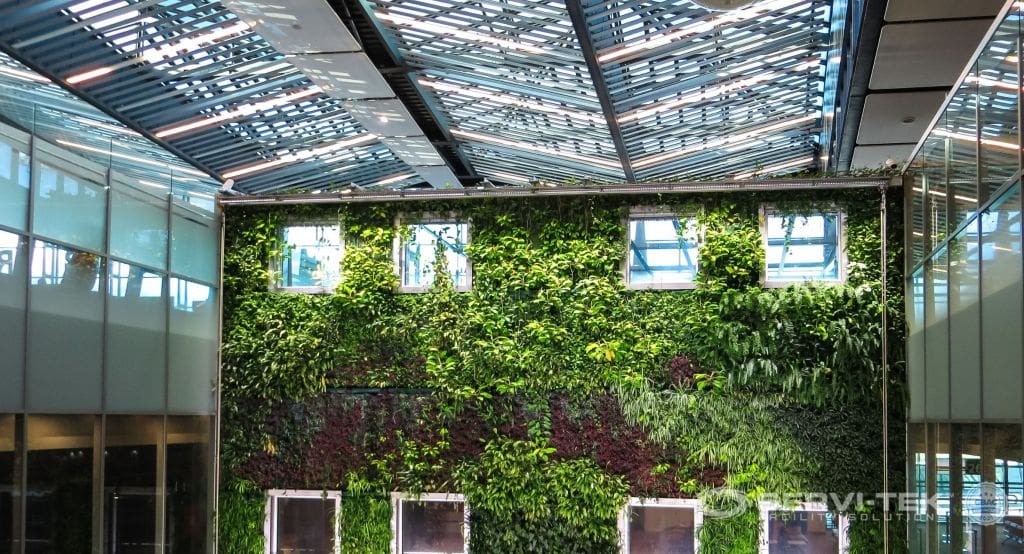
The Long-Term Financial Value of Modernization
While modernization requires upfront investment, it delivers measurable long-term financial benefits:
- Lower total cost of ownership through reduced repairs and energy use
- Stabilized operating budgets with fewer unexpected expenses
- Extended asset life and delayed major capital replacements
By addressing system inefficiencies early, owners avoid compounding costs and maintain greater financial control.
Operational and Risk Mitigation Benefits
Modernized buildings are inherently more reliable. Upgraded systems reduce the frequency and severity of:
- Emergency repairs
- Unplanned shutdowns
- Safety and compliance incidents
Improved reliability supports business continuity planning and reduces operational risk—an increasingly critical consideration for owner-occupied facilities.
Technology and Data as Value Multipliers
Modernization often introduces new levels of data and visibility. Smart building technologies allow owners to:
- Monitor system performance in real time
- Identify inefficiencies and emerging issues early
- Make informed decisions about maintenance and capital planning
Data-driven facilities shift operations from reactive to proactive, improving outcomes over time.
ESG, Sustainability, and Regulatory Alignment
Modernization provides the foundation for credible ESG strategies. Energy-efficient systems, automation, and monitoring tools enable:
- Reduced emissions and energy consumption
- Transparent reporting and benchmarking
- Alignment with evolving regulatory standards
For owner-occupied assets, these benefits protect long-term value while supporting corporate responsibility goals.
Phased Modernization Strategies for Owner-Occupied Assets
One of the biggest barriers to modernization is concern about operational disruption. Phased approaches help mitigate this risk by:
- Prioritizing upgrades based on asset criticality and ROI
- Aligning work with planned downtime or low-impact periods
- Spreading capital investment over multiple budget cycles
This approach allows owners to modernize without compromising daily operations.
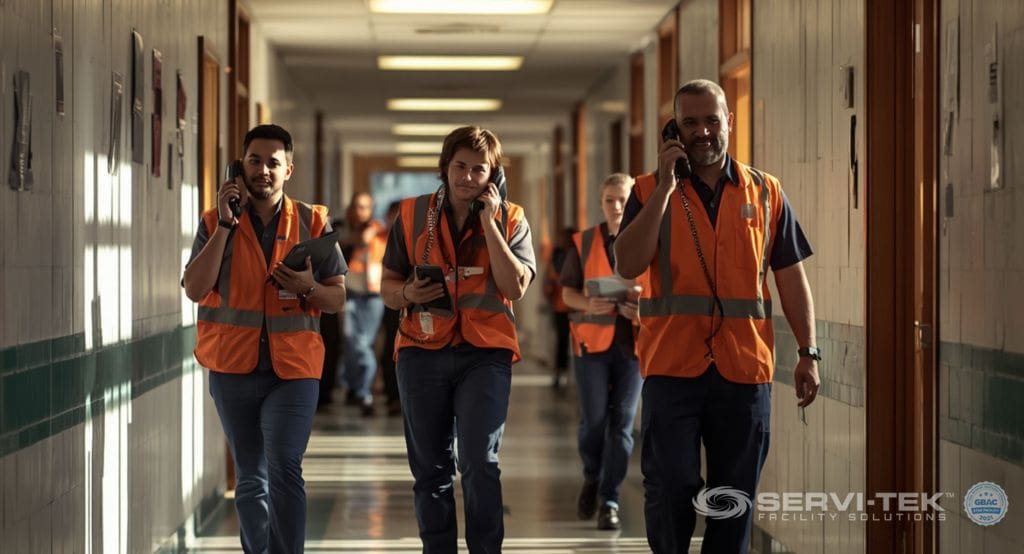
Measuring Success Beyond Short-Term ROI
Traditional ROI metrics capture only part of modernization’s value. Long-term success should also be measured through:
- System reliability and uptime
- Maintenance cost trends
- Energy performance and sustainability metrics
- Operational resilience and flexibility
These indicators reflect the true value of modernization in owner-occupied environments.
Modernizing Now to Protect Long-Term Value
For owner-occupied asset owners, modernization is a strategic decision that extends far beyond building systems. It is an investment in operational stability, financial predictability, and long-term asset performance. Waiting often increases cost and risk, while proactive modernization provides control and clarity.
In an environment defined by rising costs, evolving regulations, and increasing performance expectations, modernizing now is not about gaining an advantage… it is about protecting the value already in place. Ready to transform your property?