Are you having doubts hiring an electrostatic disinfecting service provider for your commercial property?
What is Electrostatic Disinfection and How Does It Work?
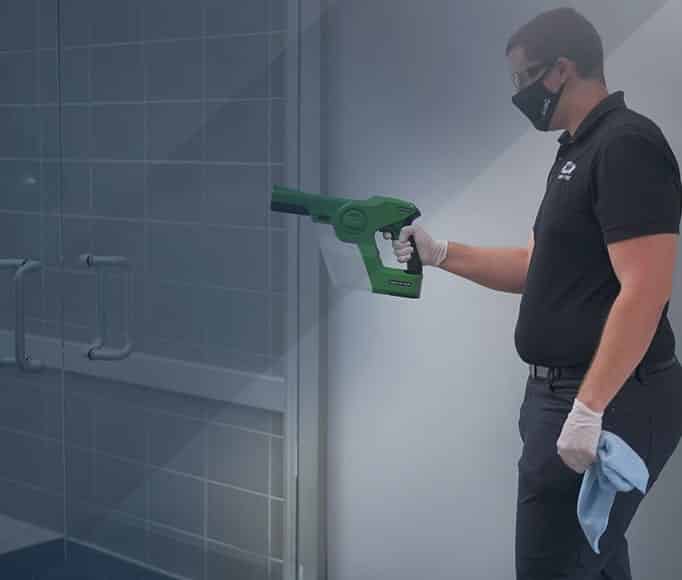
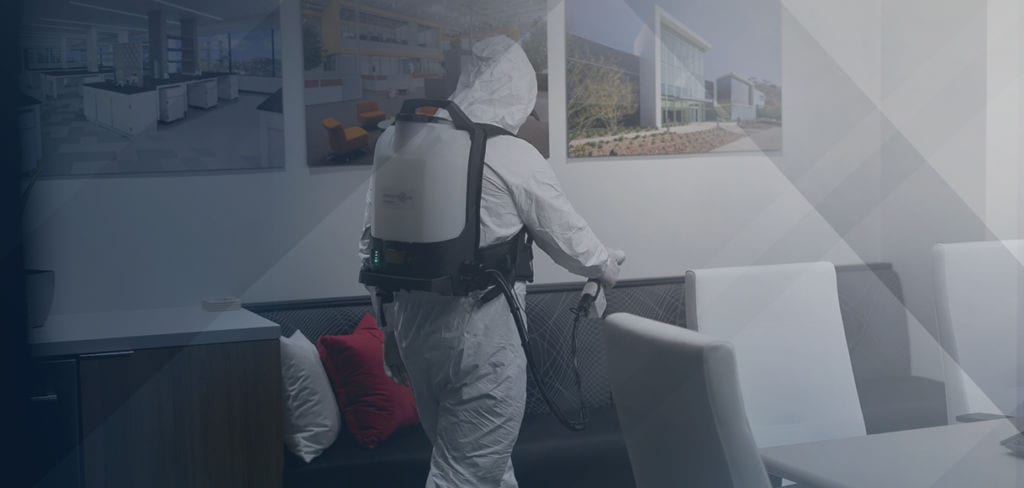
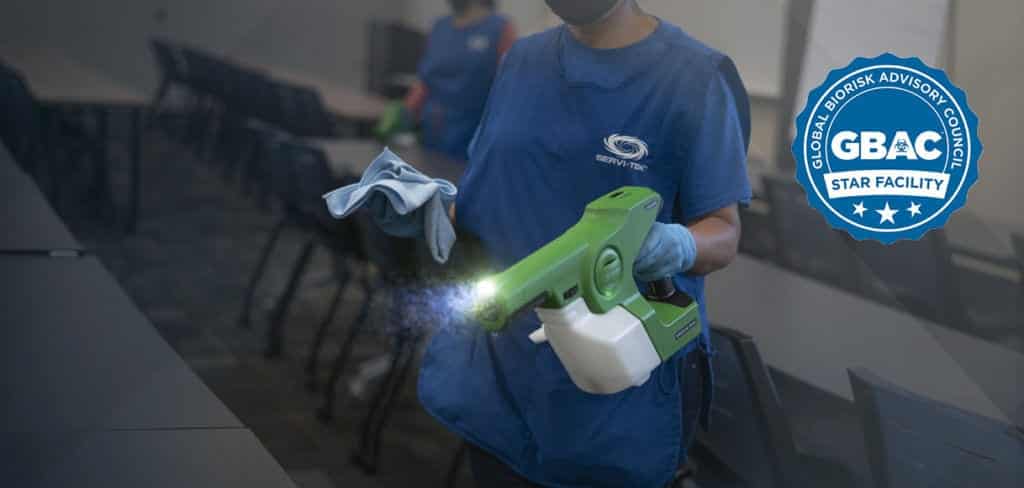
Electrostatic disinfection is a process that uses an electric charge to apply a fine mist of disinfectant onto surfaces and objects. An electrostatic sprayer uses an electrode to give the disinfecting solution a positive electrical charge as it exits the nozzle. This creates a powerful electromagnetic attraction to negatively charged surfaces, ensuring the mist clings to and evenly coats all targeted areas.
The primary benefit of this technology is its ability to provide a complete and uniform coating, even on hard-to-reach or irregularly shaped surfaces. The charged particles are naturally drawn to wrap around objects, allowing the disinfectant to cover the tops, sides, and undersides of surfaces, such as desks, chairs, and equipment, with a single application. This touchless application method minimizes the risk of cross-contamination and significantly improves the thoroughness of the disinfection process compared to traditional manual wiping.
Effectiveness and Safety
The efficacy of electrostatic disinfection is directly tied to the disinfecting chemical being used. The technology itself is a delivery method; the disinfectant must be proven to kill the target pathogens. For this reason, it is critical to use a product from the United States Environmental Protection Agency’s (EPA) List N, which contains products registered for use against SARS-CoV-2, the cause of COVID-19.
When an EPA-approved chemical from this list is applied with an electrostatic sprayer, it provides a highly effective solution for infection prevention against a wide range of contagious viruses and bacteria, including influenza and MRSA. The EPA’s official List N website is updated regularly with new product information.
Electrostatic disinfection is a safe and eco-friendly cleaning method. The technology uses up to 65% fewer chemicals per square foot than traditional methods and is safe to use around most electronics, fabrics, and plants. While the disinfectant product is typically not caustic, it is generally recommended that occupants be absent during application and for approximately 20 minutes afterward to allow for natural air-drying and proper “dwell time” (the amount of time the product needs to remain on a surface to be effective).
Key Benefits for Your Commercial Property
Implementing electrostatic disinfection into your facility’s cleaning plan offers numerous advantages that contribute to a healthier and more productive environment.
- Thorough Coverage: The charged mist ensures that even the least-accessible areas are disinfected, reducing the risk of germs spreading from overlooked surfaces.
- Time and Cost Efficiency: Electrostatic disinfection can reduce the time required to disinfect a space by up to 50% compared to manual methods. In the long run, this can result in reduced labor costs and decreased downtime for your facility.
- Infection Prevention: By effectively killing germs and viruses on high-touch surfaces, this technology can reduce the spread of illness, potentially lowering employee absenteeism and lost productivity.
- Versatility: This method is effective for a wide range of commercial environments, including office buildings, healthcare facilities, educational institutions, retail stores, and hotels. For more detailed guidance on cleaning and disinfection in public spaces, refer to the guidelines from the Centers for Disease Control and Prevention (CDC).
Preparing for the Service
Before a professional electrostatic disinfection service begins, businesses should take a few simple steps to ensure maximum effectiveness. Remove all loose items, such as papers, clothing, and dishware, from work areas. Clearing clutter from floors and surfaces will provide the cleaning team with easy and efficient access to all areas that require treatment. A professional provider will work with you to create a customized plan based on the unique needs and square footage of your facility.For more information on surface coverage, the EPA’s research on electrostatic sprayers found that efficacy is achieved when surfaces are properly coated and allowed sufficient dwell time, typically around 10 minutes. This ensures that the disinfectants have enough contact time to kill pathogens effectively before air-drying.