Healthcare cleaning is not general janitorial work. In Hawaii, vendors must meet strict infection control standards under state and federal guidelines. Many healthcare cleaning services Honolulu Hawaii infection control providers lack proper biocontainment training, putting facilities at compliance and patient safety risk.
Hawaii’s healthcare facilities are held to the same The Joint Commission standards as major mainland hospitals. But there is a critical difference: There are far fewer vendors in Hawaii who actually understand how to meet them. That gap creates a hidden risk for healthcare administrators. Because infection control in healthcare cleaning is not just about appearance—it is about regulatory compliance, patient safety, and documented process control. And when vendors cannot prove they meet those standards, facilities are the ones held accountable during inspections. In practice, that means one thing: If your cleaning vendor is not properly trained in infection control, your facility is exposed.
Hawaii DOH and Federal Standards That Apply
Healthcare cleaning in Hawaii is governed by a combination of state and federal regulations. These standards define how environments must be cleaned, disinfected, and maintained to reduce infection risks.
Hawaii Administrative Rules (HAR) Title 11
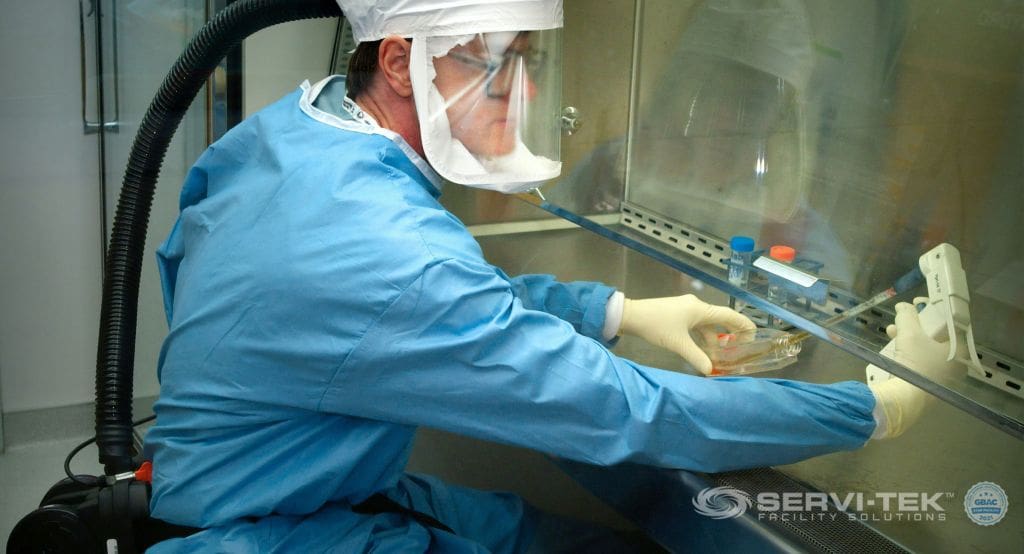
The Hawaii Department of Health enforces Title 11 of the Hawaii Administrative Rules, which governs health facility licensing and sanitation standards. These rules cover:
- Environmental cleanliness in healthcare facilities
- Infection prevention and control requirements
- Facility sanitation procedures
- Compliance expectations during inspections
For healthcare administrators, this means cleaning practices are directly tied to licensing compliance. If cleaning protocols fail, it is not just an operational issue—it can become a regulatory violation.
CDC and HICPAC Environmental Infection Control Guidelines
The Centers for Disease Control and Prevention (CDC), through its Healthcare Infection Control Practices Advisory Committee (HICPAC), provides national standards for environmental cleaning in healthcare facilities. These guidelines include:
- Cleaning and disinfection protocols for patient care areas
- Surface decontamination standards
- Risk-based cleaning classifications (low, moderate, high risk zones)
- Hand hygiene and contamination prevention practices
These guidelines form the backbone of infection prevention programs across the United States. In healthcare environments, they are not optional recommendations—they are operational expectations.
CMS Conditions of Participation
The Centers for Medicare & Medicaid Services sets Conditions of Participation (CoPs) for healthcare facilities receiving Medicare or Medicaid funding. These requirements include environmental cleanliness standards that directly impact:
- Facility accreditation
- Patient safety outcomes
- Reimbursement eligibility
CMS expectations require healthcare facilities to maintain a safe, sanitary environment through consistent cleaning and infection control practices. If vendors fail to meet these standards, the facility—not the vendor—is responsible during audits.
The Biocontainment Gap in Hawaii’s Cleaning Market
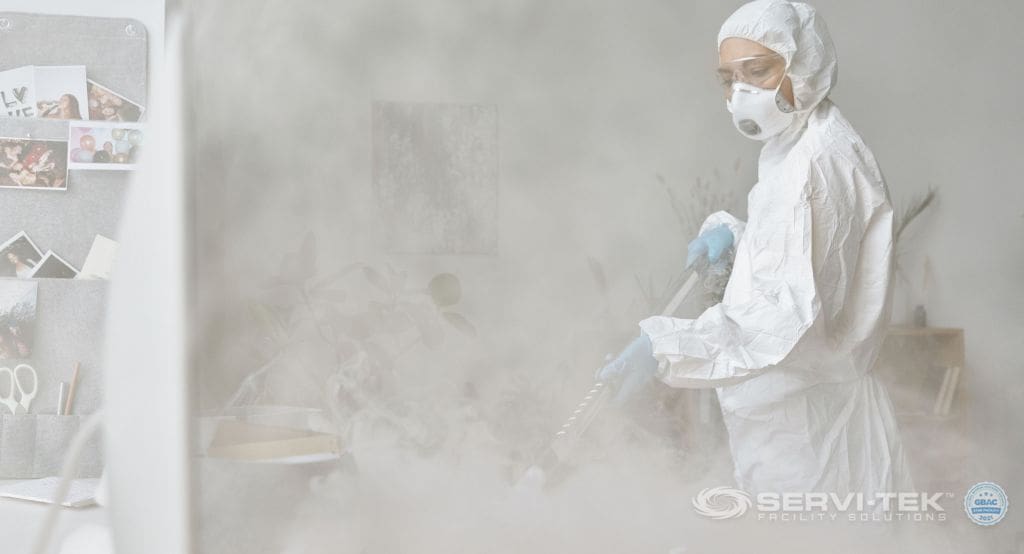
One of the most overlooked risks in healthcare cleaning services Honolulu Hawaii infection control is the assumption that all janitorial providers are equipped for healthcare environments. They are not. In fact, most general cleaning vendors in Hawaii operate in commercial or office environments—not clinical settings. That distinction is critical.
Most Vendors Lack Bloodborne Pathogen Certification
Healthcare cleaning requires comprehensive training in bloodborne pathogen exposure prevention to safely mitigate risk. Yet many vendors:
- Do not provide formal certification
- Rely on general cleaning training programs
- Lack documentation for regulatory inspection
Without this certification, staff are not properly trained to handle:
- Bodily fluids
- Contaminated surfaces
- Medical waste environments
This creates a major compliance gap in healthcare facilities.
Office Cleaning vs. Clinical Environment Cleaning
Cleaning an office and cleaning a healthcare facility are fundamentally different disciplines. Office cleaning typically involves:
- Dusting and vacuuming
- Restroom maintenance
- Trash removal
Healthcare cleaning involves:
- Disinfection of high-risk surfaces
- Controlled cleaning of exam and procedure rooms
- Strict separation of clean and contaminated zones
- Use of regulated disinfectants
A vendor trained for office environments is not automatically equipped for clinical spaces. This mismatch is one of the most common sources of infection control failure in Hawaii healthcare facilities.
What Biocontainment-Trained Staff Do Differently
Biocontainment-trained cleaning staff operate under stricter protocols. In high-risk zones such as exam rooms, isolation areas, and procedure suites, they:
- Follow color-coded cleaning systems to prevent cross-contamination
- Use EPA-approved disinfectants for healthcare-grade sanitation
- Follow strict PPE protocols (gloves, gowns, masks as required)
- Separate clean and contaminated tools to prevent spread
These practices are not optional—they are essential for infection control compliance. Without them, cleaning activities can unintentionally spread contaminants rather than eliminate them.
A Compliance Checklist for Hawaii Healthcare Administrators
Before renewing a janitorial contract, healthcare administrators should verify whether their vendor is truly compliant with healthcare cleaning standards. Here is a practical checklist.
1. Bloodborne Pathogen Training Records
Verify that all cleaning staff assigned to healthcare areas have current certification. Ask for:
- Training completion dates
- Certification documentation
- Renewal schedules
If documentation is missing, compliance is incomplete.
2. Infection Control Protocol Documentation
Vendors should have written procedures aligned with CDC and HICPAC guidelines. This includes:
- Cleaning frequency by zone risk level
- Disinfection procedures for patient areas
- PPE requirements for staff
3. Chemical Disinfection Compliance
Ask for a list of disinfectants used on-site and verify:
- EPA approval for healthcare use
- Correct dwell times and dilution protocols
- Safe application methods
Improper chemical use is a common compliance failure.
4. Staff Assignment Consistency
Frequent staff rotation increases infection control risk. Verify:
- Whether dedicated crews are assigned to healthcare sites
- Staff familiarity with facility layout
- Training consistency across shifts
5. Waste Handling Procedures
Healthcare facilities generate regulated waste that must be handled correctly. Check for:
- Proper segregation of medical waste
- Disposal documentation
- Compliance with state and federal guidelines
6. Documentation for DOH Inspections
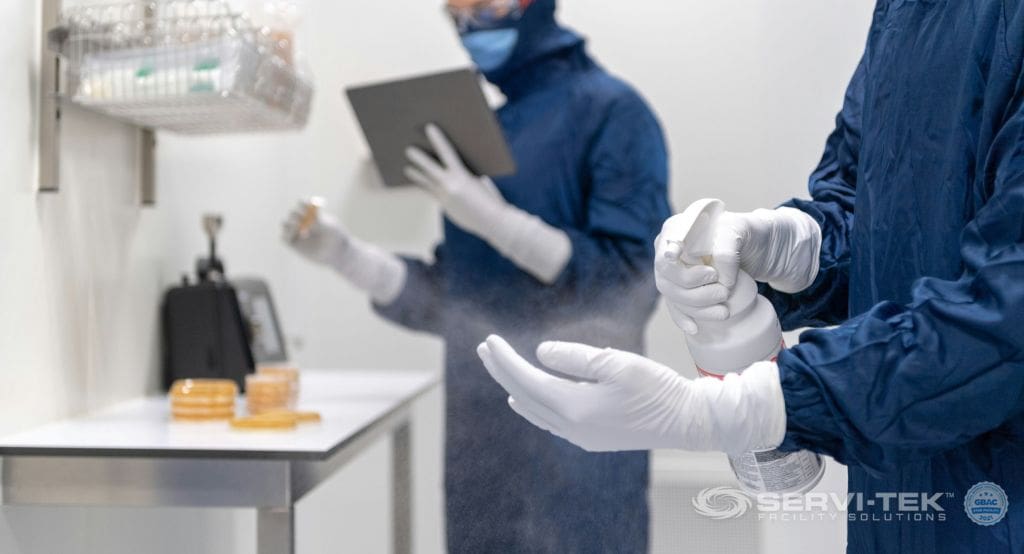
During inspections by the Hawaii Department of Health, facilities must demonstrate compliance. Vendors should provide:
- Cleaning logs
- Inspection reports
- Training records
- Chemical usage documentation
If they cannot produce these quickly, compliance risk increases.
7. Walkthrough Accountability Questions
During vendor walkthroughs, ask:
- “How do you prevent cross-contamination between patient and non-patient areas?”
- “Who supervises infection control compliance on-site?”
- “What happens if a cleaning protocol is not followed correctly?”
The quality of answers will reveal whether the vendor understands healthcare environments.
Why This Matters in Hawaii Healthcare Facilities
Hawaii healthcare systems operate in a unique environment:
- Limited vendor pool for specialized services
- High regulatory expectations under state and federal oversight
- Geographic isolation affecting training and staffing consistency
This combination increases the importance of selecting qualified vendors carefully. Because when infection control fails, the consequences are immediate:
- Increased patient risk
- Regulatory citations
- Potential loss of accreditation standing
- Operational disruption
In healthcare environments, cleaning is not support work—it is part of the infection prevention system.
The Bottom Line
Infection control in healthcare cleaning is not a general janitorial function. It is a regulated, high-risk discipline that requires:
- Certified training
- Documented procedures
- Specialized biocontainment protocols
- Consistent compliance with federal and state standards
Most vendors in Hawaii cannot fully demonstrate this capability. That gap creates risk for healthcare administrators who assume compliance without verification. Strong healthcare cleaning services Honolulu Hawaii infection control programs are defined by documentation, training, and execution… not claims. If you are preparing for your next inspection or contract renewal, request a compliance review to verify whether your current vendor meets healthcare infection control standards.