

Rapid interest rate increases over recent years altered capital planning across the commercial real estate landscape
Borrowing costs rose quickly, and financing terms became more restrictive. In response, many owners prioritized liquidity and delayed projects that were not immediately critical. Commonly deferred initiatives included:
- Major system replacements: Comprehensive upgrades to foundational building systems, such as aging HVAC units, roofing infrastructure, and core plumbing, which require significant capital but are essential for long-term operability.
- Energy efficiency and sustainability upgrades: Initiatives aimed at reducing carbon footprints and utility costs, including the installation of solar panels, LED lighting retrofits, and advanced window glazing to meet modern environmental standards.
- Technology and automation investments: The integration of smart building technologies, such as Internet of Things (IoT) sensors and advanced security protocols, designed to modernize property management and improve the tenant experience.
- Building enhancements tied to long-term performance rather than immediate necessity: Value-add renovations and aesthetic improvements that are tied to long-term asset performance, market competitiveness, and tenant retention rather than addressing immediate life-safety or structural necessities.
These deferrals were often strategic, designed to preserve flexibility during uncertain market conditions.

What Interest Rate Stability Really Means
Stability does not necessarily mean lower rates. Instead, it reflects a more predictable lending environment where owners, lenders, and operators can align expectations. With reduced volatility:
- Cash flow modeling becomes more reliable: Asset managers can project future revenues and expenses with a higher degree of accuracy, minimizing the variance caused by unexpected spikes in debt service payments.
- Underwriting assumptions hold longer: Financial metrics and stress tests applied during the initial stages of project evaluation remain relevant throughout the approval and execution phases, reducing the need for constant recalibration.
- Financing structures are easier to evaluate: Borrowers can confidently weigh the pros and cons of fixed versus floating rates, mezzanine debt, and other capital stack options without the fear of immediate market shifts invalidating their choices.
- Capital planning timelines can be extended with confidence: Ownership groups can comfortably draft five- to ten-year capital expenditure roadmaps, allowing for better strategic sequencing of property improvements and more efficient allocation of resources.
This predictability allows projects to be assessed on their operational and financial merits, rather than being postponed due to uncertainty alone.
Deferred Projects Returning to the Pipeline
As stability improves, many long-delayed projects are re-entering planning cycles. These projects tend to fall into a few clear categories.
Infrastructure and System Replacements
Aging HVAC, electrical, roofing, and plumbing systems often top the list. Deferred maintenance increases failure risk, and stability enables owners to address these issues before disruptions occur.
Energy and Sustainability Upgrades
Energy efficiency projects that reduce operating expenses are regaining momentum. With clearer financing terms, payback periods are easier to justify and model.
Technology and Automation
Building automation, monitoring systems, and digital tools that improve visibility and control are being re-evaluated as operational investments rather than optional upgrades.
Life-Safety and Compliance Projects
Projects tied to safety and regulatory compliance are increasingly viewed as non-negotiable, particularly after extended deferral periods.

Why Owners Are Acting Now
Several factors are driving renewed action beyond interest rate stability alone. Deferred maintenance has accumulated, increasing the likelihood of system failures and emergency repairs. At the same time, operating costs, particularly energy and labor, continue to rise. Waiting longer can compound costs and reduce flexibility.
There is also growing recognition that well-maintained, efficient buildings perform better in competitive markets. Even in owner-occupied assets, building performance directly affects productivity, continuity, and long-term value.
Capital Planning in a More Predictable Rate Environment
With stability returning, owners are revisiting financing strategies and capital plans. Rather than restarting projects exactly as originally designed, many are reassessing scope and sequencing. Effective approaches include:
- Phasing projects to manage cash flow and reduce disruption: Breaking down massive, capital-intensive overhauls into smaller, manageable stages allows owners to spread out financial outlays while ensuring that daily building operations and tenant activities remain largely undisturbed.
- Aligning financing terms with expected operational savings: Structuring debt or green financing so that the monthly loan payments are directly offset by the tangible reductions in utility bills or maintenance costs generated by the newly installed systems.
- Combining deferred initiatives into more efficient upgrade programs: Bundling several delayed projects, such as coupling a roof replacement with a solar array installation, to secure better pricing from contractors, reduce overall permitting times, and achieve better economies of scale.
Capital planning in this environment emphasizes control and flexibility rather than aggressive expansion.
Operational Considerations When Restarting Projects
Reviving deferred projects requires careful coordination. Conditions have changed since many initiatives were first planned, including occupancy patterns, labor availability, and material costs. Before moving forward, owners and operators should:
- Update assessments and cost estimates: Conduct fresh physical inspections and gather new contractor bids to account for any deterioration that occurred during the delay, as well as recent inflation in material and labor markets.
- Reconfirm timelines and milestones: Establish strict, realistic schedules with vendors to ensure that supply chain bottlenecks or seasonal weather challenges are factored into the new execution strategy.
- Coordinate work around active operations: Work closely with property managers to schedule loud or disruptive construction activities during off-hours, weekends, or periods of low occupancy to maintain a positive environment for current tenants.
- Communicate clearly with internal teams and occupants: Draft comprehensive communication plans that keep stakeholders, facility staff, and tenants fully informed about the scope of the upcoming work, expected benefits, and any temporary inconveniences they might experience.
Operational alignment is essential to ensure that progress does not come at the expense of continuity.
Managing Risk as Projects Resume
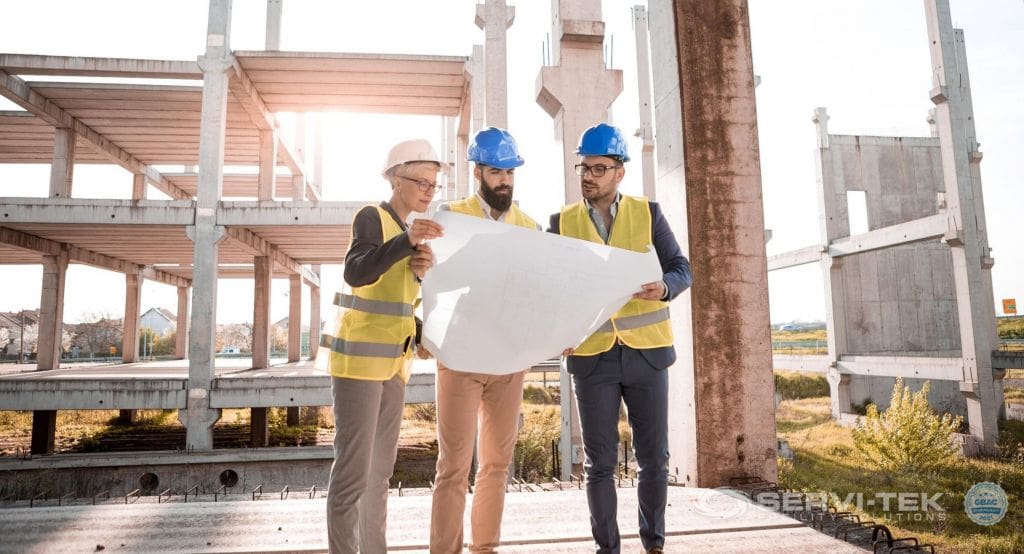
Restarting projects after long delays introduces risk. Original assumptions may no longer apply, and supply chain or labor constraints can affect execution. Risk mitigation strategies include:
- Refreshing facility condition assessments: Commissioning updated engineering reports to identify any new structural or mechanical vulnerabilities that may have emerged while the project was sitting idle on the back burner.
- Building contingency allowances into budgets: Allocating a larger percentage of project funds, typically between 10 to 20 percent, specifically to absorb unforeseen cost overruns, expedited shipping fees for delayed materials, or unexpected regulatory hurdles.
- Partnering with experienced service providers: Engaging general contractors, architects, and specialty tradesmen who have a proven track record of navigating complex logistical challenges and maintaining strict adherence to updated safety codes.
- Sequencing work to minimize system downtime: Planning the transition between old and new systems meticulously so that essential services, such as power, water, and internet connectivity, experience little to no interruption during the handover phase.
Preparation and flexibility help ensure deferred projects move forward smoothly.
Measuring Value Beyond the Interest Rate
Interest rate stability may unlock decision-making, but project success depends on outcomes beyond financing costs. Owners are increasingly evaluating value through operational performance, efficiency gains, and long-term reliability.
Projects that reduce downtime, lower operating expenses, and improve system resilience often deliver returns that outweigh financing considerations alone. In this context, stability serves as a catalyst, not the sole justification, for action.
Stability as a Catalyst for Progress
The return of interest rate stability is enabling commercial real estate owners to shift from caution to measured progress. Deferred projects are no longer viewed as liabilities to postpone, but as strategic investments that support long-term performance.
By revisiting capital plans with updated data, realistic assumptions, and a focus on operational value, owners can turn stability into momentum, and position their assets for the next phase of the market cycle.

