

Not all sustainability upgrades are created equal. While some initiatives provide immediate cost savings, others improve long-term operational resilience or tenant satisfaction.
For example, energy efficiency upgrades such as modernizing HVAC systems, lighting, and building automation reduce utility bills and routine maintenance costs over the facility equipment’s entire lifecycle. Similarly, water conservation efforts, like installing low-flow plumbing fixtures, optimizing landscape irrigation protocols, and leveraging greywater systems, cut water expenses significantly while adhering to local usage restrictions.
Property managers can also lower daily operational overhead through waste reduction and materials optimization by implementing recycling programs, utilizing sustainable building materials, and executing highly efficient waste management workflows. Furthermore, renewable energy integration via solar panels, geothermal heat pump systems, or battery storage solutions can heavily reduce dependency on the local power grid and stabilize long-term energy costs.

Finally, prioritizing indoor environmental quality through upgraded mechanical ventilation, increased natural lighting, and advanced air filtration enhances occupant comfort, boosts daily workforce productivity, and reduces tenant sick days.
Identifying the right mix of upgrades requires a clear understanding of both the building’s current performance and the operational priorities of its occupants.
Setting Clear Objectives for ROI Measurement
Before calculating ROI, it is essential to define what “return” means for your organization. Objectives often include:
- Financial goals: Reducing core operating expenses, lowering monthly energy and water bills, or significantly decreasing routine maintenance and preventative repair costs.
- Operational goals: Improving overall mechanical system reliability, reducing unexpected equipment downtime, or safely extending the operational lifespan of highly expensive facility assets.
- Occupant impact: Enhancing daily indoor comfort, boosting workforce productivity, and securing long-term tenant satisfaction to keep commercial turnover rates low.
- Regulatory alignment: Meeting strict ESG criteria, adhering to newly implemented energy benchmarking laws, or strictly complying with local environmental building standards.
Defining measurable objectives upfront ensures ROI calculations are realistic and highly relevant to your facility management plan.
Calculating ROI: Metrics and Methods
ROI for sustainability upgrades extends beyond simple payback periods. Consider multiple factors:
- Direct cost savings: Lower monthly energy bills, drastically reduced daily water use, and decreased ongoing mechanical maintenance and labor costs.
- Indirect benefits: Improved occupant productivity levels, higher tenant retention rates, and an enhanced public building reputation in the competitive commercial real estate market.
- Financial calculations: Include strict payback period analysis, net present value (NPV) tracking, and the internal rate of return (IRR) for a much more comprehensive and accurate financial analysis.
- Benchmarking: Compare building performance improvements to similar commercial properties or established industry standards to properly validate your investment results.
A holistic ROI approach captures both tangible financial returns and intangible operational benefits.
Data Collection and Tracking
Reliable data is critical for measuring ROI accurately. Strategies include:
- Energy management and submetering: Track exact power consumption at the specific system or individual tenant level to pinpoint exact areas of financial savings and waste.
- Building performance monitoring: Use smart sensors, advanced software analytics, and integrated building automation systems to measure mechanical performance outcomes in real time.
- Environmental audits: Assess baseline property conditions and meticulously verify post-upgrade operational improvements to ensure initial sustainability goals are consistently met.
- Historical comparisons: Compare exact building performance metrics before and after green upgrades to accurately quantify the total operational and financial impact over time.
Continuous monitoring allows facility owners to refine maintenance upgrades and validate true ROI over long periods of time.
Case Studies and Practical Examples
- HVAC modernization: An upgraded HVAC system in a mid-rise commercial office building reduced total energy use by 20%, quickly paying for itself within five years through substantially lower monthly utility costs.
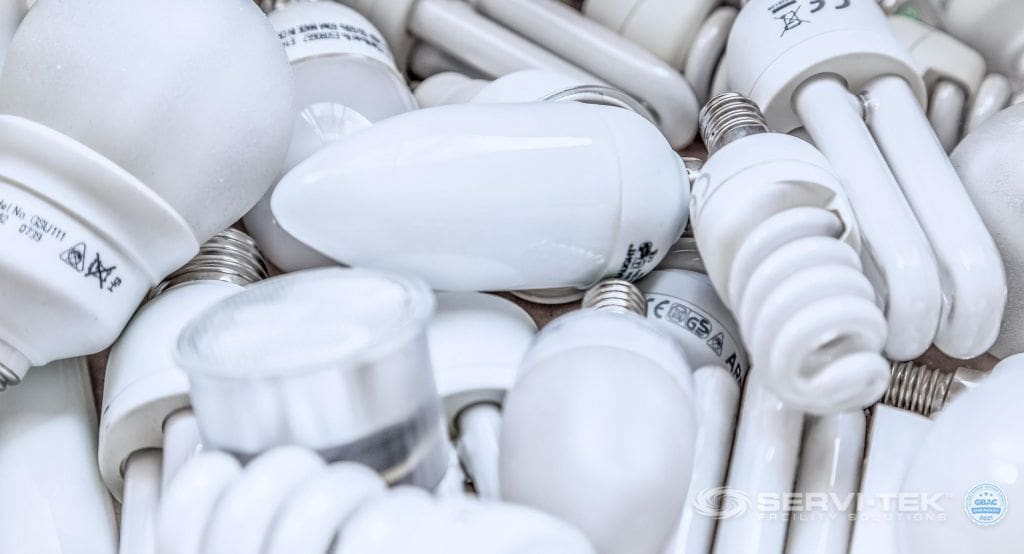
- LED lighting retrofit: Converting a massive multi-tenant building to smart LED lighting resulted in a 25% reduction in total lighting costs, achieved with minimal disruption to daily tenant operations.
- Water efficiency project: Installing low-flow restroom fixtures and smart landscape irrigation systems saved $15,000 annually, effectively shortening the strict payback period to well under four years.
Phasing upgrades strategically can maximize your total ROI while greatly reducing unexpected operational disruptions.
Financing Sustainability Upgrades
Several strategies can enhance ROI while managing upfront costs:
- Incentives and rebates: Many local utility companies and municipal governments offer lucrative financial rebates for commercial energy and water efficiency projects to offset capital expenses.
- Green financing: Specialized commercial loans and capital leases tied to proven energy savings or strict ESG performance metrics can heavily reduce total financial risk for building owners.
- Capital planning integration: Align large sustainability projects with your existing facility capital improvement budgets to spread out initial costs and minimize daily operational impact.
Strategically combining these specific financial options ensures major sustainability upgrades are highly financially viable.
Common Pitfalls to Avoid
- Ignoring indirect benefits: ROI isn’t just about raw energy savings; you must always include operational efficiency gains and tenant-related financial benefits for a complete picture.
- Overestimating savings or underestimating costs: Conservative, strictly data-driven financial estimates are always much more reliable and secure for long-term commercial facility planning.
- Neglecting operational disruptions: Accurately factoring in facility downtime and necessary temporary adjustments ensures a highly realistic and achievable ROI calculation.
- Poor data collection: Inaccurate, outdated, or incomplete facility data quickly undermines your measurement credibility and jeopardizes future sustainability investment potential.
Avoiding these common project pitfalls ensures your ROI calculations consistently guide much smarter facility management decisions.
Communicating ROI to Stakeholders
Clear communication is key to securing buy-in from leadership, finance teams, and building occupants:
- Present both financial and operational returns: Ensure you highlight the dual benefits of immediate cost savings alongside improved building functionality and extended asset lifespans.
- Tie upgrades to ESG goals or corporate sustainability initiatives: Aligning facility improvements with broader corporate strategies secures stronger executive support and long-term capital funding.
- Highlight risk reduction, tenant satisfaction, and long-term asset value: Emphasize how these upgrades protect the property from regulatory fines while keeping occupants happy and lease renewals consistently high.
Transparent reporting actively strengthens executive confidence in future sustainability investments.
Sustainability Upgrades as a Value Driver
Sustainability upgrades in owner-occupied buildings are more than environmental initiatives. They are strategic investments that enhance building performance, reduce operating costs, and protect asset value. Accurately measuring ROI ensures that these upgrades deliver tangible benefits, inform capital planning, and support long-term operational resilience.
When approached strategically, sustainability is not a cost center. It is a driver of value.

